
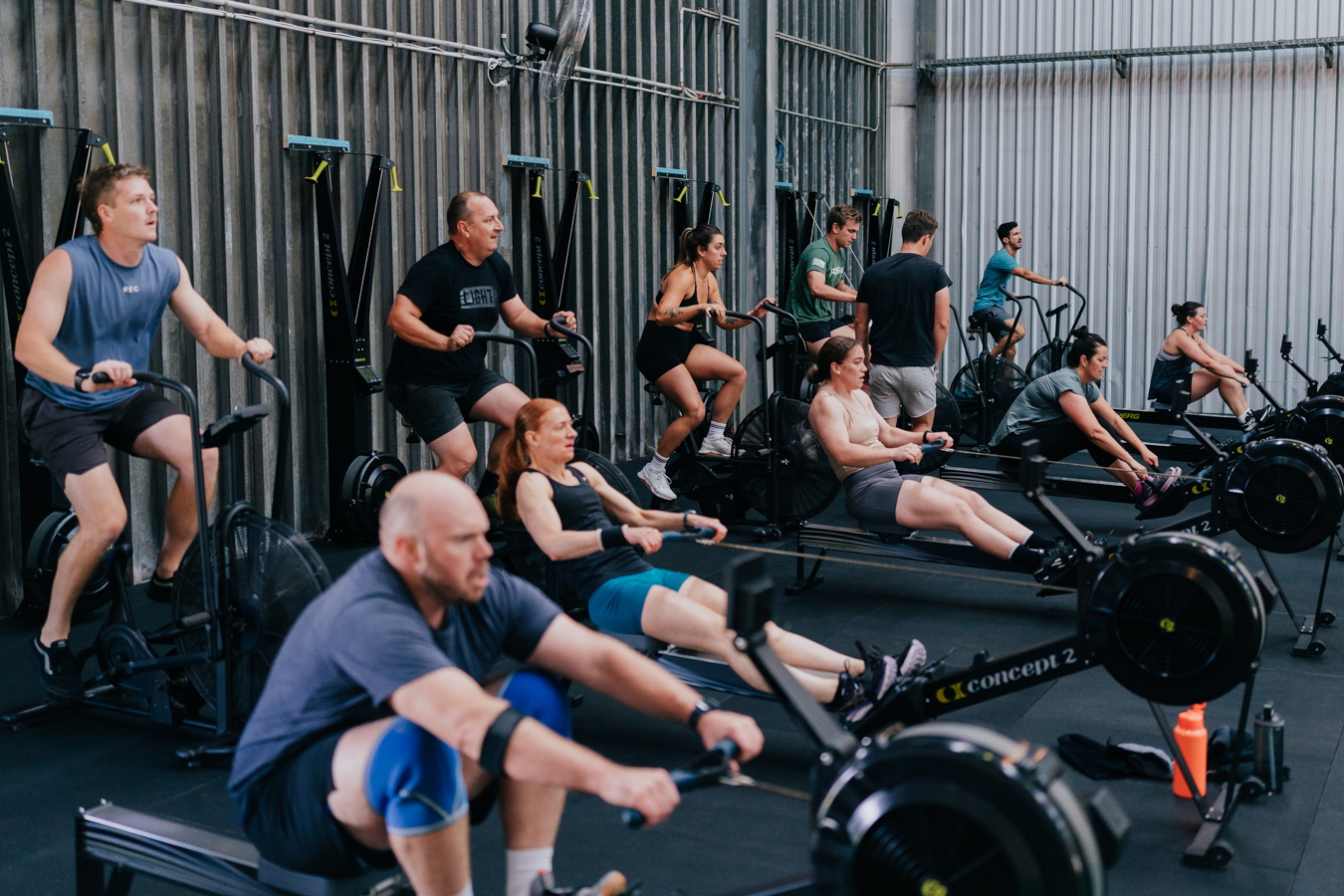
As we introduce a more structured Hybrid program alongside our classic CrossFit training, many members are asking: “What’s the difference and how does Hybrid training fit in?” This is a great chance to revisit what CrossFit is really about.

What Is Fitness?
In the foundational CrossFit Journal article “What is Fitness?” by Greg Glassman, fitness is defined through three key models:
1. The 10 General Physical Skills
Endurance, Stamina, Strength, Flexibility, Power, Speed, Coordination, Agility, Balance, Accuracy.
2. The Hopper Model
The ability to perform well at any randomly selected physical task.
3. The Metabolic Pathways Model
Balancing the three energy systems — phosphagen (short bursts), glycolytic (moderate intensity), and oxidative (long duration).
These models shape how CrossFit is programmed — with the goal of developing broad, adaptable fitness.
So What About Hybrid Training?
Hybrid training usually combines focused strength work with dedicated endurance training. Think powerlifting paired with rowing, running, or biking — often targeting a specific goal, like a Hyrox race or improved 5K time.
The main difference is emphasis:
CrossFit is about developing a broad base — what we call General Physical Preparedness (GPP). It gets you good at many things without specialising.
Hybrid training helps you go deeper in specific areas — especially strength and endurance.
It’s not one or the other — it’s about what you need right now.
Visualising the Differences
To help illustrate the models behind CrossFit and how they compare to other training styles, we’ve put together a few charts:
General Physical Skills Competency

Each point on the chart represents one of the ten general physical skills, and the further out the shape stretches in any direction, the more that program develops that skill. A more “even” shape means broader fitness across all areas. The chart shows how CrossFit balances all 10 general physical skills, while Hybrid leans more toward strength and endurance.
Prepared for Anything

Each row is a different physical task, and each column shows how well a training style prepares you for it — with darker colours meaning higher readiness. Look for more coverage across tasks to see which programs build broader ability.
Changing Gears - Energy Systems

Each bar shows how much time a program typically spends training short, moderate, and long-duration efforts. Taller sections mean greater focus on that energy system — with CrossFit showing a fairly balanced mix across the three metabolic pathways.
Together, the charts visualising each model show how CrossFit builds a wide, adaptable base — and how Hybrid can sharpen specific tools on top of it.
Why It Matters?
CrossFit provides a base layer of fitness — enabling you to build strength, improve endurance, or even step into event-specific goals like powerlifting or Hybrid competitions.
It’s not just about workouts. It’s about creating long-term resilience and readiness — with the flexibility to specialize when you choose.
Our CrossFit and Hybrid programs will soon be offered as two distinct tracks. This article isn’t about selling you on either — it’s about helping you understand the philosophy and the purpose behind your training.
Do you have feedback on our Programming? Training for an event we should know about? Let us know at hello@crossfitchemistry.com


